Tumor microenvironment & immunotherapy
Using machine learning to identify diagnostic biomarkers and therapeutic candidates for aggressive companion animal cancers, with significant translational potential for human oncology.
Abouelkhair Laboratory applies AI-driven multiomics to identify diagnostic biomarkers and therapeutic candidates for aggressive companion animal cancers, with translational impact for human oncology, and leads innovative approaches for pathogen characterization in One Health.
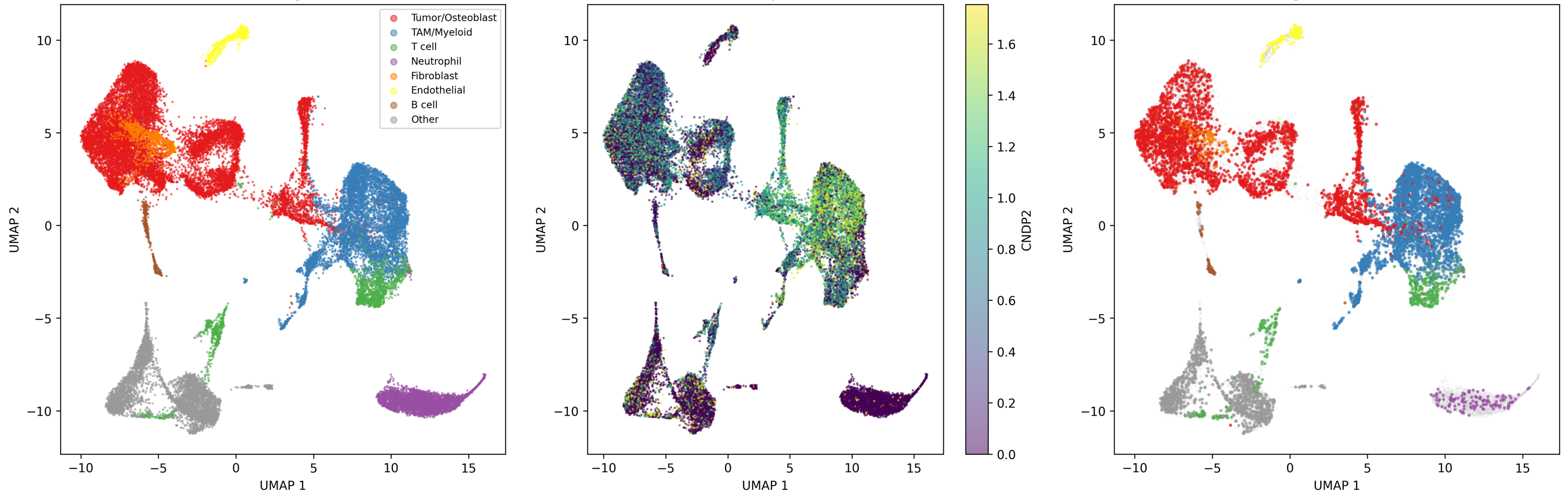
Each pillar is designed to stand alone when needed, but the strength of the program comes from the way immunology, virology, and system-scale analysis inform one another.
Using machine learning to identify diagnostic biomarkers and therapeutic candidates for aggressive companion animal cancers, with significant translational potential for human oncology.
Genomics, transcriptomics, proteomics, metabolomics, and CRISPR screening integrated with AI-driven bioinformatics to accelerate biomarker and drug target identification.
Innovative AI-assisted OMICs approaches for pathogen identification and molecular characterization, bridging veterinary and human health at the One Health interface.